
Your roof isn’t just a collection of shingles—it’s a complete system. Every component, from underlayment to ventilation, must work together to keep your home dry, comfortable, and energy-efficient. One of the most critical—and often overlooked—elements is attic insulation. When your attic insulation is damaged by moisture or improperly installed, it not only drives up your heating and cooling bills but also puts your roof’s structure at risk. Here’s how the right insulation, paired with balanced ventilation, protects your home and extends your roof’s service life.
What Your Attic Insulation Really Does
Most homeowners think insulation simply keeps heat in or out. That’s true—but attic insulation has a second vital role: moisture control. Household activities in bathrooms, kitchens, and laundry rooms generate humid air that naturally rises. Without a proper insulation barrier, that moisture seeps into the attic, leading to mold, mildew, and wood rot in your roof’s framing. In Florida’s scorching summers, an uninsulated, poorly ventilated attic can reach temperatures so high it literally cooks your shingles from beneath, accelerating shingle failure. Proper insulation and airflow together maintain an attic temperature that protects both shingles and roof decking.
How Insulation and Ventilation Team Up
An effective roofing system relies on two interdependent components:
- Attic Insulation
Creates a thermal barrier that slows heat transfer and blocks humid air. - Attic Ventilation
Establishes continuous airflow to expel hot, moist air and draw in fresh, cooler air.
Without this balance, trapped heat and humidity can cause ice dams in winter, warp deck boards, corrode nails, and ruin shingles. Meanwhile, leaks allow water to saturate insulation, necessitating full replacement.
The “ABC” of Attic Ventilation
- Ample Vent Area (A)
Building codes recommend at least a 1:150 ventilation ratio—one square foot of vent per 150 square feet of attic area. Balanced systems can meet code at 1:300, but a 1:150 ratio with matched intake and exhaust vents delivers optimal airflow. - Balanced Intake & Exhaust (B)
Intake vents in the soffits draw in fresh air; exhaust vents at the ridge or roof peak expel hot, moist air. A 50/50 split prevents negative pressure that would otherwise suck conditioned living-space air into the attic. - Controlled Airflow (C)
Before insulating, seal leaks around fixtures, plumbing stacks, and framing joints. Air sealing keeps warm or cool conditioned air where it belongs—inside your home.
Insulation Basics: R-Value and Materials
Insulation’s effectiveness is measured by R-value—its resistance to conductive heat flow. The higher the R-value, the better it resists heat transfer.
- Loose-Fill Fiberglass / Cellulose
Blown-in insulation fills gaps and conforms around obstacles—ideal for retrofits. - Fiberglass Batts
Pre-cut panels fit between joists; best when installed snugly without compression. - Spray Foam
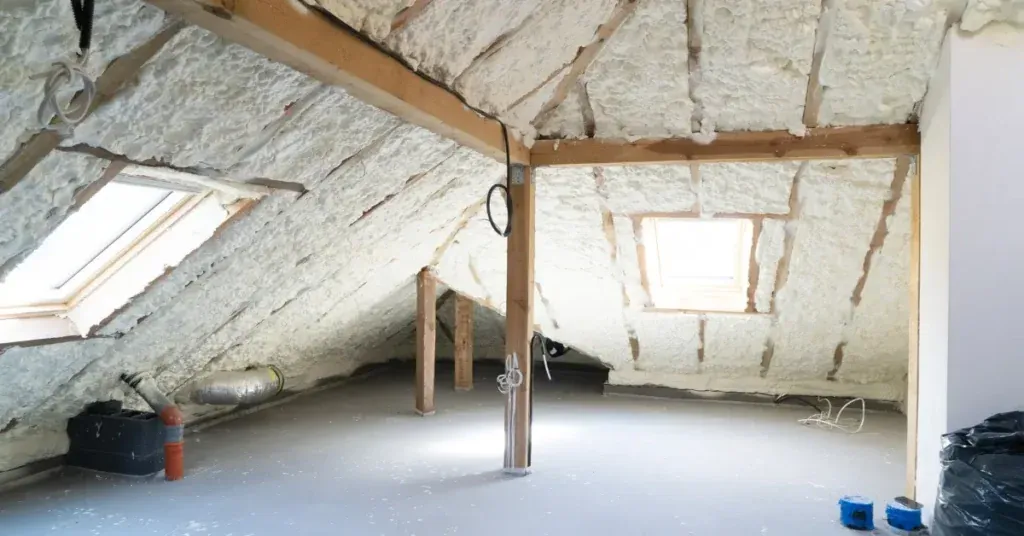
Offers superior air sealing and high R-value per inch but at a premium cost.
Most climate zones recommend attic R-values between R-38 and R-60. Check your local energy-code guidelines for exact requirements.
Benefits of Proper Insulation
- Longer Roof Life
By regulating attic temperatures, you prevent premature shingle and decking deterioration. - Lower Energy Bills
Proper insulation can cut heating and cooling costs by up to 15%, reducing HVAC wear and tear. - Healthier Home
Blocking moisture intrusion curbs mold and mildew growth, protecting indoor air quality. - Environmental Impact
Reduced energy consumption translates to lower greenhouse gas emissions.
Roof Damage? We Can Help
We often see homes with inadequate attic insulation—whether due to outdated building codes, cost-cutting contractors, or water damage from roof leaks. Once moisture soaks insulation, its thermal performance is ruined, and replacement is the only option. Suncoast Roofing Solutions offers comprehensive roof repair and replacement inspections, including attic insulation assessments. We’ll pinpoint damaged or insufficient insulation and recommend the right upgrades. Prefer a DIY check first?
Next Steps: Protect Your Investment
- Air-Seal Your Attic
Seal gaps around lights, vents, and plumbing penetrations with spray foam or caulk. - Verify Vent Balance
Ensure your soffit and ridge vents provide a balanced intake/exhaust ratio. - Upgrade Insulation
Blow in or lay down extra loose-fill or batt insulation to reach recommended R-value. - Schedule a Professional Inspection
Our certified contractors will assess your entire roofing system—insulation, ventilation, and shingles—to guarantee peak performance.
Don’t let damaged or missing attic insulation shorten your roof’s lifespan or inflate your energy bills.
Call Suncoast Roofing Solutions today or fill out our contact form to schedule your roof and attic inspection. Secure comfort, efficiency, and roof durability with one simple step.
Frequently Asked Questions About Attic Insulation and Ventilation
How does attic insulation affect my roof’s lifespan?
Proper insulation helps regulate attic temperature and control moisture. In Tampa’s heat, excessive attic temperatures can damage shingles from below and shorten their lifespan. Balanced insulation and ventilation protect both the shingles and the roof decking.
What are signs my attic insulation may be failing?
Common warning signs include:
- High energy bills
- Uneven indoor temperatures
- Musty odors in the attic
- Visible mold or mildew
- Wet or compressed insulation
If insulation becomes saturated from a roof leak, it must typically be replaced to restore proper performance.
Why is ventilation just as important as insulation?
Insulation slows heat transfer, but ventilation removes trapped heat and moisture. Without proper airflow, hot air builds up in the attic, increasing strain on your roof and HVAC system. Intake vents and exhaust vents must work together to maintain steady airflow.
What happens if my attic is not properly ventilated?
Poor ventilation can lead to:
- Premature shingle deterioration
- Warped roof decking
- Mold growth
- Rusted fasteners
- Increased cooling costs
In Florida’s climate, trapped heat and humidity can quickly create serious roof damage.
What R-value does my attic need in Florida?
Recommended attic insulation levels typically range between R-38 and R-60, depending on local building codes and home design. A professional inspection can determine whether your current insulation meets recommended standards.
Can I add insulation over existing insulation?
In many cases, yes. If the existing insulation is dry and in good condition, additional material can be added to improve R-value. However, if it is wet, moldy, or compressed, it should be removed and replaced.
Does poor insulation increase energy bills?
Yes. Without proper insulation, your HVAC system works harder to maintain indoor comfort. Improved insulation can reduce heating and cooling costs and help stabilize indoor temperatures throughout the year.
How often should attic insulation be inspected?
Attic insulation should be checked during routine roof inspections or anytime you suspect leaks, storm damage, or rising energy costs. Early detection prevents larger repairs.
Can improper insulation void my roof warranty?
In some cases, yes. Excessive attic heat caused by poor ventilation may contribute to premature shingle failure. Manufacturer warranties often require proper ventilation for full coverage.