
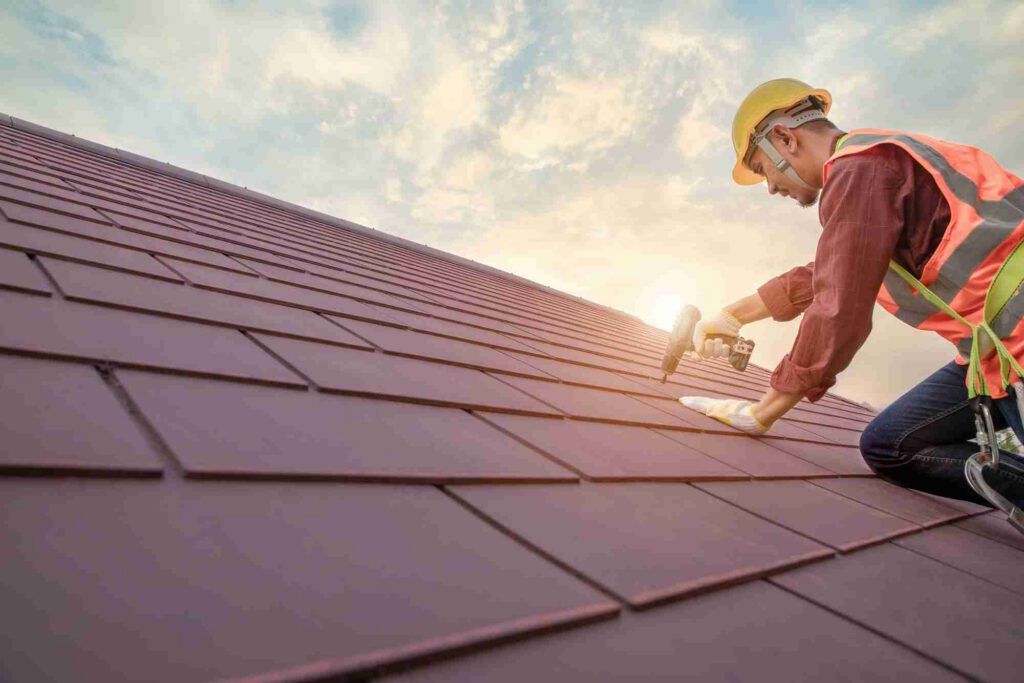
A roof is more than just the top layer of a building; it’s a critical component that protects your home from the elements. After 50 years in the roofing industry, I’ve seen countless issues that could have been avoided with proper maintenance and timely repairs. Here, I’ll share some common roofing problems and how to prevent them.
Leaks
One of the most prevalent roofing problems is leaks. Leaks can originate from various sources such as broken shingles, damaged flashing, or poor sealing around roof penetrations like chimneys and vents.
Prevention Tips:
- Regular Inspections: Schedule bi-annual roof inspections to catch any potential issues early.
- Prompt Repairs: Fix broken shingles and damaged flashing immediately to prevent water from seeping in.
- Proper Sealing: Ensure that areas around chimneys, vents, and skylights are properly sealed and maintained.
Ventilation Problems
Poor ventilation can lead to a host of issues, including increased energy costs, mold growth, and structural damage due to moisture buildup.
Prevention Tips:
- Install Proper Ventilation: Ensure your roof has adequate intake and exhaust vents to allow proper air circulation.
- Inspect Vents Regularly: Ensure vents are clear of debris and functioning properly.
- Attic Insulation: Proper attic insulation can help maintain a balanced temperature and prevent moisture buildup.
Structural Damage
Structural damage can result from severe weather, falling debris, or the weight of accumulated snow and ice. Over time, this can compromise the integrity of your roof.
Prevention Tips:
- Trim Overhanging Branches: Keep trees trimmed to prevent branches from falling and damaging your roof.
- Snow and Ice Removal: Clear heavy snow and ice from your roof promptly to avoid excessive weight that can cause structural damage.
- Regular Inspections: Have a professional inspect your roof structure periodically to catch any issues early.
Ponding Water
Flat roofs are particularly susceptible to ponding water, which can lead to leaks and structural damage if not addressed.
Prevention Tips:
- Proper Drainage Systems: Ensure your roof has adequate drainage systems to prevent water accumulation.
- Regular Maintenance: Keep gutters and downspouts clear of debris to allow water to flow freely.
- Roof Slope: Ensure that your flat roof has a slight slope to facilitate water runoff.
Blistering and Cracking
Blistering and cracking are common in asphalt shingle roofs, often caused by poor installation, weather conditions, or aging materials.
Prevention Tips:
- Quality Installation: Hire experienced professionals to install your roof correctly.
- Routine Inspections: Regularly check for signs of blistering or cracking and address them promptly.
- High-Quality Materials: Use high-quality roofing materials that are less likely to blister or crack over time.
Moss and Algae Growth
Moss and algae growth can be unsightly and damaging to your roof, especially in humid climates.
Prevention Tips:
- Roof Cleaning: Regularly clean your roof to remove moss and algae.
- Zinc or Copper Strips: Install zinc or copper strips at the roof ridge to prevent moss and algae growth.
- Proper Ventilation: Ensure proper ventilation to reduce moisture levels that encourage growth.
Shingle Deterioration
Over time, shingles can deteriorate due to exposure to the elements, leading to leaks and other issues.
Prevention Tips:
- Routine Maintenance: Conduct regular maintenance and replace damaged shingles promptly.
- High-Quality Shingles: Invest in high-quality shingles that offer better durability and longevity.
- Protective Coatings: Apply protective coatings to extend the life of your shingles.
Conclusion
Choosing the right roofing company can make a significant difference in the longevity and performance of your roof. At Suncoast Roofing Solutions, we specialize in providing high-quality roofing services to homeowners in Cheval, FL and across the Tampa Bay area, ensuring your roof remains in top condition. Regular maintenance, prompt repairs, and proper installation are key to preventing common roofing problems. By following these tips and trusting experienced professionals, you can protect your home and enjoy peace of mind for years to come.
Frequently Asked Questions About Common Roofing Problems in Tampa
How often should I have my roof inspected in Tampa?
In Tampa’s heat, humidity, and storm season, your roof takes a beating. We recommend a professional inspection at least twice a year, typically in the spring and fall. You should also schedule an inspection after any major storm.
Regular inspections help catch small issues like loose shingles or damaged flashing before they turn into costly leaks.
What are the early signs of a roof leak?
Common warning signs include:
- Water stains on ceilings or walls
- Missing or cracked shingles
- Damp insulation in the attic
- Musty odors
- Dripping during heavy rain
Leaks rarely fix themselves. If you notice any of these signs, it is important to have your roof inspected quickly to prevent structural damage and mold growth.
Why is proper roof ventilation so important?
Poor ventilation can trap heat and moisture in your attic. In Tampa’s climate, this can lead to:
- Higher energy bills
- Mold and mildew growth
- Premature shingle deterioration
- Wood rot and structural damage
A properly ventilated roof system helps regulate temperature and moisture, protecting both your home and your roofing materials.
What causes shingles to crack or blister?
Shingle damage is often caused by:
- Florida’s intense UV exposure
- Poor installation
- Aging materials
- Inadequate attic ventilation
Using high-quality materials and ensuring professional installation significantly reduces the risk of early deterioration.
Is ponding water a serious issue on flat roofs?
Yes. Standing water can weaken roofing materials, increase the risk of leaks, and eventually cause structural damage. Proper drainage systems and routine maintenance are essential to prevent ponding issues.
If water remains on your roof more than 48 hours after a rainstorm, it should be evaluated by a professional.
How can I prevent storm-related roof damage?
While no roof is storm-proof, you can reduce risk by:
- Scheduling routine inspections
- Keeping gutters and downspouts clear
- Trimming overhanging tree branches
- Addressing minor repairs before storm season
Preventative maintenance strengthens your roof and helps it withstand Florida’s heavy rains and wind.
Does moss or algae damage my roof?
In humid climates like Tampa, algae and moss are common. While algae is often cosmetic, moss can trap moisture against shingles and accelerate deterioration.
Routine cleaning and proper ventilation help prevent buildup and extend the life of your roof.
When should I repair versus replace my roof?
Repairs are often sufficient if the damage is localized and your roof is still within its expected lifespan. However, if you are experiencing frequent leaks, widespread shingle deterioration, or your roof is approaching the end of its service life, replacement may be the more cost-effective solution long term.
A professional inspection will provide clarity and help you make the best decision for your property.
How long should a roof last in Florida?
Roof lifespan depends on the material and installation quality:
- Asphalt shingles typically last 15 to 25 years
- Tile and metal roofs can last significantly longer with proper maintenance
Florida’s climate can shorten lifespan if maintenance is neglected, which is why regular inspections are critical.
Why choose Suncoast Roofing Solutions?
Since 1998, Suncoast Roofing Solutions has served Tampa Bay homeowners with dependable service and expert craftsmanship. We provide thorough inspections, high-quality materials, and up to 20-year warranties to give homeowners confidence in their investment