
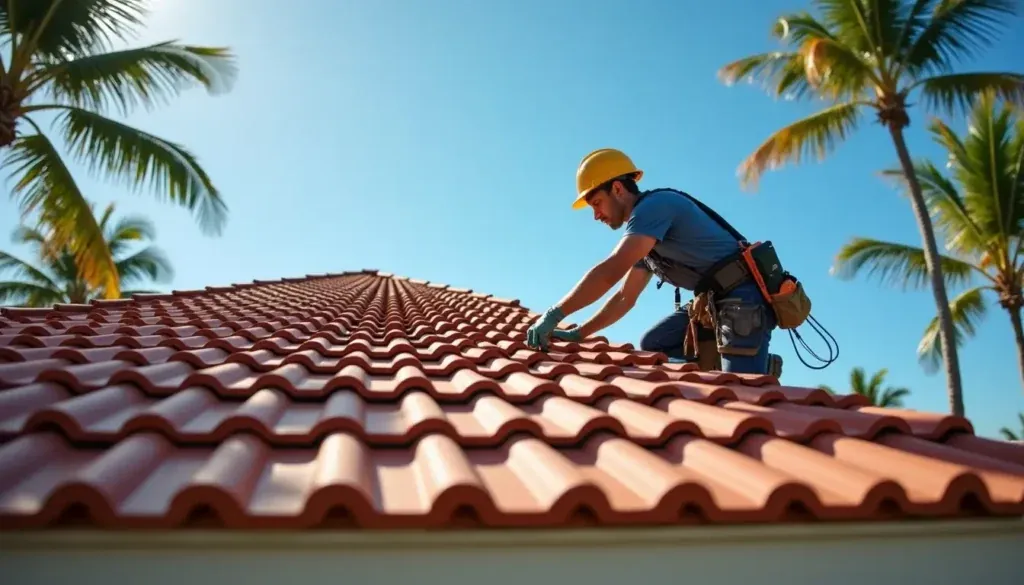
If you have a tile roof in Tampa, you probably know it looks great and holds up better than many other roofing materials. But how long does a tile roof last in Florida, especially in a place like Tampa, where the heat, humidity, and storm season never really let up?
The short answer is that tile roofs can last 25 to 50 years, sometimes longer. But that range depends a lot on the type of tile, how well the roof was installed, and how much maintenance it gets. Tampa’s climate adds its own set of challenges that can shorten or extend that lifespan.
This guide breaks it all down so you know what to expect and how to get the most out of your roof.
Key Takeaways
- Concrete tile roofs typically last 25 to 40 years in Florida’s climate.
- Clay tile roofs can last 50 years or more with proper care.
- Tampa’s heat, UV exposure, and hurricane season are the biggest threats to tile roofs.
- The underlayment beneath your tile often fails before the tile itself does.
- Regular inspections, especially after storms, can catch problems early.
- Proper installation is one of the biggest factors in how long your roof lasts.
Tile Roof Lifespan: Clay vs. Concrete in Florida
Not all tile roofs are the same. The two most common types you will find on homes in Tampa are clay tile and concrete tile. Each has a different lifespan and responds differently to Florida’s climate. If you want a deeper look at how these two materials compare, see our guide on concrete vs. clay roofing tiles.
Clay Tile Roofs
Clay tile is the longer-lasting option. When installed correctly, a clay tile roof can last 50 years or more. Clay handles Florida’s intense UV rays well and resists the kind of moisture damage that affects other materials. It does not absorb water as easily as concrete, which helps it hold up during Tampa’s rainy season.
The downside is that clay tile is heavier and more brittle. Walking on it incorrectly can crack individual tiles. When that happens, water gets underneath, and that leads to bigger problems with the underlayment and decking.
Concrete Tile Roofs
Concrete tile is more affordable and still very durable. In Florida, a concrete tile roof typically lasts between 25 and 40 years. Concrete is slightly more porous than clay, which means it absorbs more moisture over time. In Tampa’s humid environment, this can lead to algae growth, staining, and gradual deterioration.
Both types of tile are rated to handle high winds, which matters during hurricane season. But the tiles themselves are only part of the story.
What Actually Wears Out First on a Tile Roof
Many Tampa homeowners are surprised to learn that the tile itself usually is not what causes a roof to fail. The underlayment, which is the waterproof barrier between the tiles and the roof deck, is often the first thing to go.
The Role of the Underlayment
Underlayment on older Florida homes was often made of felt, which typically lasts 15 to 20 years. When it degrades, water can seep through even if your tiles look fine from the street. That water then damages the wood decking beneath, leading to rot, mold, and structural issues.
Newer synthetic underlayments can last 25 to 40 years and perform much better in Florida’s heat and humidity. If your tile roof is more than 20 years old and has never had the underlayment replaced, it is worth having a professional inspect it. You can learn more about what a residential roof inspection checklist covers, so you know what to expect during that process.
How Tampa’s Climate Affects Your Tile Roof
Tampa sits in one of the most challenging roofing environments in the country. The combination of intense sun, high humidity, heavy rain, and hurricane season puts constant stress on any roof.
Heat and UV Exposure
Tampa averages around 246 sunny days per year. That much UV exposure breaks down roofing materials over time, including the sealants, ridge caps, and flashing around your tile roof. Thermal expansion from daily heat cycles can also loosen tiles and cause cracking along edges.
Hurricanes and Wind Damage
Florida’s hurricane season runs from June through November. Even storms that do not make direct landfall can bring wind gusts strong enough to lift or crack tiles. After any significant storm, you should walk around your home and look for broken, missing, or shifted tiles. Better yet, call a licensed roofing contractor to do a proper inspection. Our Tampa hurricane season roofing tips can help you stay prepared before and after a storm hits.
Algae and Moss Growth
Humidity in Tampa creates the perfect conditions for algae and moss to grow on your roof. This is more of a cosmetic issue with tile than with shingles, but heavy buildup can hold moisture against the surface and accelerate wear. Gentle cleaning every few years helps prevent this. Staying on top of tile roof maintenance is one of the most cost-effective ways to extend your roof’s life.
FAQ
How long does a tile roof last in Florida compared to other states?
Florida’s heat and storm activity can reduce the lifespan of some roofing materials. However, tile roofs perform better in Florida’s climate than asphalt shingles. A tile roof in Florida often outlasts one in a northern state, where freeze-and-thaw cycles cause more cracking. For a broader comparison of how tile stacks up against other materials, see our breakdown of roof lifespan for tile, shingle, and metal roofing.
How do I know if my tile roof needs to be replaced or just repaired?
If only a few tiles are cracked or missing, repairs are usually the right call. But if your underlayment is failing, the decking has water damage, or large sections of tile are shifting, a full replacement may be more cost-effective in the long run. A licensed roofer can help you figure out which option makes sense. Our guide on when to repair or replace your tile roof walks through the key factors to consider.
Does a tile roof add value to my home in Tampa?
Yes. Tile roofs are a desirable feature in the Tampa real estate market. Buyers recognize that a well-maintained tile roof offers long-term durability. It can also help with homeowner’s insurance in some cases, since tile holds up better in high winds than asphalt shingles.
How often should I have my tile roof inspected in Florida?
Most roofing professionals recommend an inspection at least once a year. In Tampa, it also makes sense to schedule one after any major storm. Catching a small crack or a failed section of flashing early can save you thousands in water damage repairs later.
Can I walk on my tile roof to inspect it myself?
Walking on a tile roof without knowing where to step can crack tiles. If you want to check your roof, use binoculars from the ground or a ladder to look at the edge. For a proper inspection, let a professional do it. They know how to move safely across tile without causing damage.
Protect Your Tile Roof with the Right Roofing Partner
So, how long does a tile roof last in Florida? With the right installation, regular inspections, and timely repairs, your tile roof can protect your Tampa home for decades. Clay tile can push past 50 years. Well-maintained concrete tile can reach 40. But none of that happens without attention.
If you are not sure what condition your roof is in, or if it has been a while since your last inspection, now is a good time to find out. Suncoast Roofing Solutions serves homeowners throughout the Tampa area, including Cheval, FL, and can give you an honest assessment of your tile roof’s current condition and expected lifespan.
Visit suncoastroofingsolutions.com or call us today to schedule your inspection. Do not wait for a leak to tell you something is wrong.