
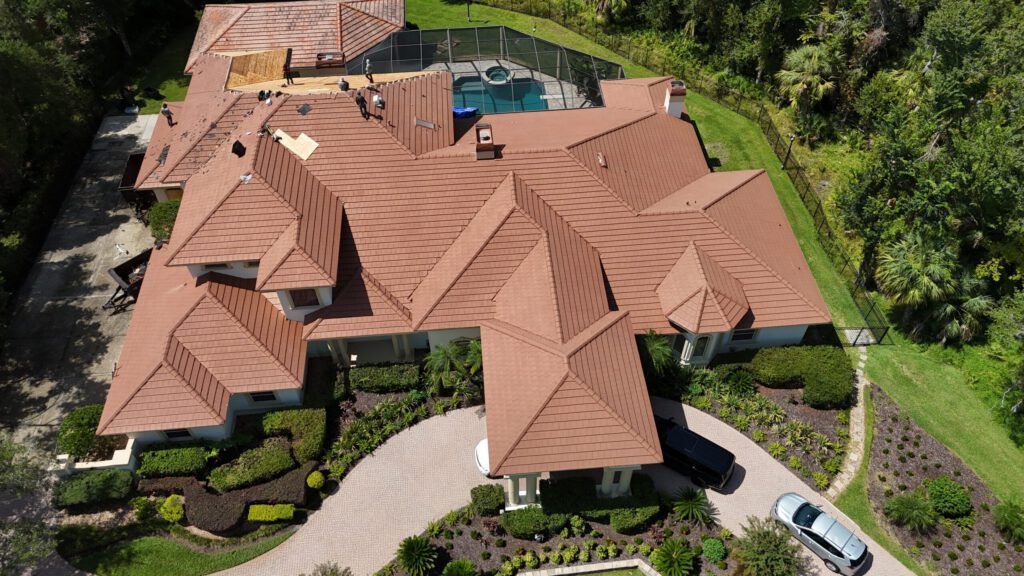
Key Takeaways
- Measuring a roof correctly helps avoid ordering too many or too few shingles.
- Roof pitch, shape, and design increase total roof surface area.
- Roofing squares are used to accurately calculate material requirements.
- Professional roof measurements improve safety and prevent costly mistakes.
Measuring a roof for shingles is one of the most important steps in any roof replacement or repair project. If measurements are off, homeowners may face delays, added costs, or unfinished work. In Tampa, where roofs must handle heavy rain, strong winds, and intense sun, accuracy matters even more.
Many homeowners ask whether they can measure their roof themselves or should call a professional. While basic measurements are possible, roof pitch, design, and safety risks often make professional measurements the better choice.
This guide explains how roof measurements are taken, how shingle quantities are calculated, and why accurate measurements protect your home and budget.
What You Need to Measure a Roof
Basic Tools for Roof Measurement
To measure a roof, you typically need a tape measure, ladder, calculator, and a notepad to record numbers. Some professionals also use measuring wheels, drones, or digital roof measuring tools.
These tools help calculate roof dimensions more accurately, especially on larger or more complex roofs.
Safety Considerations
Roof measurement involves working at heights and stepping on roofing materials. Shingles can become slippery, especially in Tampa’s humid or rainy weather.
Falls and broken tiles are common risks. If the roof is steep or wet, measuring it yourself can be unsafe.
Measuring Roof Surface Area
Measuring Roof Sections
Most roofs consist of multiple sections called roof planes. Each section is measured separately by length and width.
For example, if a roof section is 20 feet long and 15 feet wide, it covers 300 square feet. Each section is measured this way.
Adding Total Square Footage
After measuring all roof sections, sum their square footage. This total represents the roof’s surface area before pitch adjustment.
This step provides the base number used for further calculations.
Understanding Roof Pitch and Slope
What Roof Pitch Means
Roof pitch describes how steep a roof is. It is usually expressed as a ratio, such as 4/12 or 6/12.
Steeper roofs have more surface area than flatter roofs, even if the home footprint is the same.
Adjusting Measurements for Pitch
Because pitch increases surface area, roofers use roof pitch factors to adjust measurements. For example, a moderate slope can increase surface area by 10-15%.
Ignoring pitch can lead to an underestimation of the number of shingles required.
Converting Measurements to Roofing Squares
What a Roofing Square Is
A roofing square is a standard unit used in the roofing industry. One roofing square equals 100 square feet of roof surface.
Roofers use squares because they simplify material ordering and pricing.
Why Roofers Use Squares
Using roofing squares creates consistency across estimates and contracts. Instead of listing thousands of square feet, roofers use a smaller, easier number.
For homeowners, this makes it easier to compare roofing quotes and see the cost to re-roof a 2,000 sq. ft. house.
How Many Shingles to Order
Shingles per Roofing Square
Most standard asphalt shingles require three bundles per roofing square. Some architectural or specialty shingles may require more.
Always follow manufacturer guidelines to ensure proper coverage.
Adding Waste Factor
Waste factor accounts for extra shingles needed for cuts, overlaps, and fitting around roof edges and features. Most roofing projects include a waste factor of 10 to 15 percent.
Roofs with many valleys, hips, or dormers may generate more waste.
Can You Measure a Roof Without Climbing It
Ground Measurements
Some homeowners try to measure a roof from the ground by measuring the home’s length and width. This method provides a rough estimate of roof size.
While helpful for planning, it does not reflect the true roof surface area.
When This Method Falls Short
Ground measurements do not account for roof pitch, slope, or design complexity. Features such as valleys and overhangs increase the roof area.
This method often leads to underestimating material needs.
Common Roof Measuring Mistakes
Forgetting Pitch and Waste
One of the most common mistakes is ignoring the roof pitch and waste factor. Flat measurements alone do not represent the actual roof surface.
This mistake can cause material shortages and delays.
Measuring Only Flat Area
Some homeowners only measure the flat footprint of their house. This ignores the slope and shape of the roof.
Accurate roof measurements must reflect the roof’s true surface.
Why Accurate Roof Measurement Matters in Tampa
Tampa roofs face unique challenges due to the region’s weather. Heavy rain can expose even small gaps, while strong winds test shingle placement.
Accurate measurements help ensure proper shingle coverage and long-term roof performance. This reduces the risk of leaks, water damage, and repeat repairs.
When to Call a Professional Roofer
Accuracy and Safety Benefits
Professional roofers are trained to measure roofs accurately and safely. They use proper tools and follow safety practices that reduce risk.
Their measurements account for pitch, waste, and roof design.
Preparing for Roof Replacement
Professional measurements help create accurate cost estimates and material orders. This helps keep roofing projects on schedule.
For full roof replacements, professional measurement is strongly recommended.
Accurate Roof Measurements Lead to Better Results
Measuring a roof for shingles is more than a math exercise. It is a key step that affects cost, timing, and roof performance. Accurate measurements help homeowners avoid stress and unexpected expenses.
If you need accurate shingle measurements for your home in Tampa or Cheval, FL, contact Suncoast Roofing Solutions for a professional inspection and reliable roof replacement estimates.
FAQs
How Do You Measure a Roof for Shingles
Each roof section is measured by its length and width. All sections are summed to determine the total square footage. The total is then adjusted for roof pitch to reflect the actual surface area.
How Many Shingles Do I Need for My Roof
The number of shingles depends on the total roofing squares and the waste factor. Most asphalt shingle roofs use three bundles per roofing square. Some shingle types may require more bundles.
Does Roof Pitch Affect Measurements
Yes, roof pitch increases the total roof surface area. Steeper roofs have more area than flat roofs. Pitch multipliers are used to adjust measurements correctly.
Can I Measure My Roof From the Ground
You can estimate roof size by measuring the home footprint from the ground. This method does not account for roof pitch or design features. The result is only a rough estimate.
What Is a Roofing Square
A roofing square is a standard unit used in roofing. It equals 100 square feet of roof surface. Roofers use squares to plan materials and pricing.