
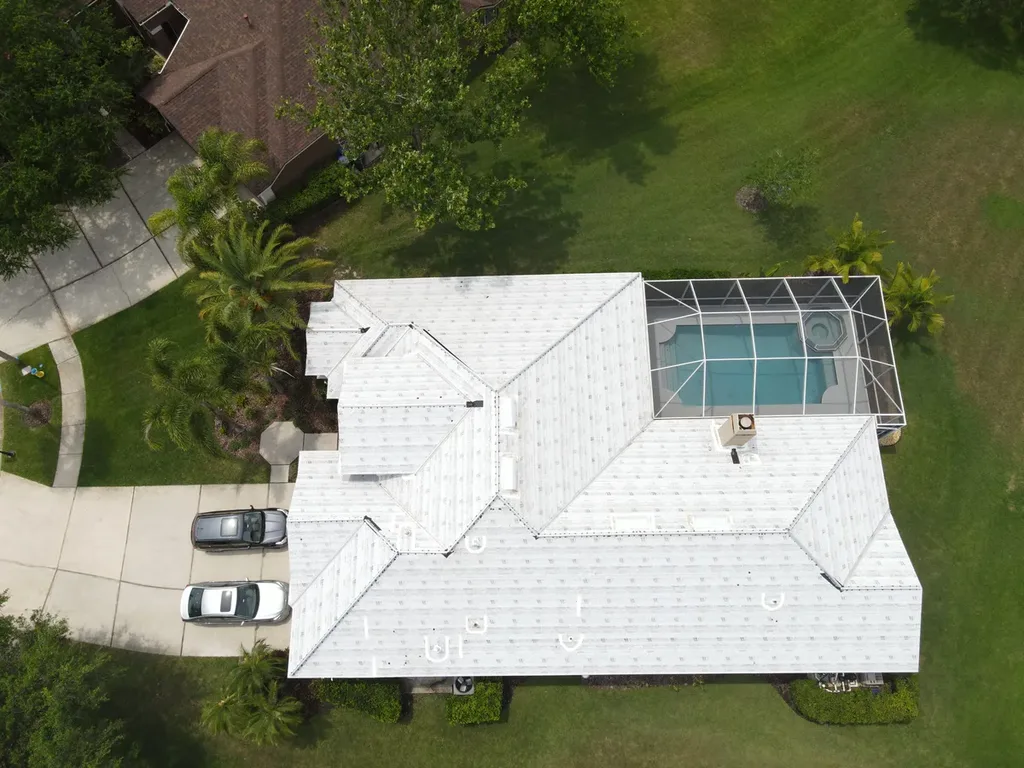
If you own a home in Tampa, you have probably noticed that tile roofs are everywhere. They handle Florida’s heat, humidity, and storms better than most other materials. But when a contractor starts throwing around terms like “barrel tile” or “S-tile,” it can get confusing fast. Knowing the right roof tile names helps you ask better questions, make smarter decisions, and understand exactly what is going on with your roof.
Key Takeaways
- Barrel tile, also called mission tile, is one of the most common tile types in Tampa.
- S-tile combines the barrel and flat shapes into one piece.
- Flat tile is a low-profile option that works well on many Florida home styles.
- Concrete and clay are the two main materials used to make roof tiles.
- Each tile type has different weight, wind resistance, and maintenance needs.
- Suncoast Roofing Solutions installs and repairs all major tile types in the Tampa area.
The Most Widely Used Roof Tile Names in Tampa
Tampa’s roofing market is heavily tile-focused. The city’s Spanish and Mediterranean architectural styles make tile the natural fit. Most homes in the area use one of three tile shapes: barrel, S-tile, or flat. Each one has a specific look and performance profile.
Barrel Tile and Mission Tile
Barrel tile is the most recognized tile shape in Tampa. It is a half-cylinder shape that creates a rounded, ridged look on the roof. Some people call it “mission tile,” though the two names can refer to slightly different installation methods.
With the true mission style, one tile faces up, and one faces down, using two separate pieces. The barrel method uses a single curved piece. Both create the same iconic look you see on Spanish-style homes across Tampa Bay. This style is popular in Cheval, where Suncoast Roofing Solutions also serves homeowners.
S-Tile
S-tile, sometimes called “Spanish tile,” is shaped like the letter S when viewed from the side. It combines the raised curve of a barrel tile with a lower concave section in one single piece. This makes installation a bit faster than the two-piece mission method.
S-tile is one of the most popular options for tile roofing in Tampa because it handles wind well and sheds water efficiently. It is also widely available, which makes repairs easier to manage.
Flat and Low-Profile Tile Options
Not every tile roof has the rounded, ridged look. Some homeowners prefer a cleaner, flatter appearance. These options are common in both traditional and modern home designs across the Tampa area.
Flat Tile
Flat tile, sometimes called “low-profile tile,” lies nearly flush against the roof deck. It has a slight texture or surface pattern but does not curve upward like barrel or S-tile. Flat tile gives homes a more understated look while still providing the durability tile is known for.
One thing to know: flat tile tends to be heavier per square foot than curved tile. Your home’s structure needs to support that weight. A qualified roofer should check this before installation. The team at Suncoast Roofing Solutions always evaluates structural load capacity before recommending tile options.
Interlocking Tile
Interlocking tile is a type of flat or low-profile tile that has raised edges designed to lock with the tile beside it. This creates a tighter fit, which improves wind resistance. It is a smart option in hurricane-prone areas like Tampa.
You may also hear this called “French tile” or “Ludowici tile,” depending on the manufacturer. These names refer to specific styles within the interlocking category.
Tile Materials: Clay vs. Concrete
Beyond shape, tile is also categorized by the material it is made from. The two main options are clay and concrete. Both are common in Tampa, and each has pros and cons.
Clay Tile
Clay tile is made from natural materials and fired in a kiln. It is known for its rich color that does not fade easily over time. Clay tile can last 50 years or more with proper care. It is also resistant to salt air, which makes it a strong choice for homes near Tampa Bay.
The downside is that clay tile tends to cost more than concrete. It is also more brittle, so walking on it during maintenance requires care. You can see examples of clay tile work in the project gallery from Suncoast Roofing Solutions.
Concrete Tile
Concrete tile is made from sand, cement, and water. It is heavier than clay but typically costs less. Concrete tile can be shaped to mimic barrel, S-tile, or flat profiles. This makes it a flexible option for homeowners who want the look of clay at a lower price.
Color on concrete tile is applied as a surface coating, so it can fade over time. Resealing or recoating every 10 to 15 years helps maintain the appearance. For more on keeping your tile in good shape, tile roof maintenance tips can walk you through what to watch for each season.
Frequently Asked Questions
What is the difference between barrel tile and S-tile?
Barrel tile uses one or two curved pieces to create a rounded ridge on the roof. S-tile is a single piece shaped like the letter S, combining both a raised and lowered curve. S-tile is a one-piece install, while barrel tile can be a two-piece system called mission tile.
How long do tile roofs typically last in Tampa?
Clay tile can last 50 years or more. Concrete tile typically lasts 30 to 50 years. Florida’s UV exposure and storm activity can shorten that range if the roof is not maintained. Regular inspections help catch small issues before they turn into bigger problems.
Are all roof tiles hurricane resistant?
Not all tile performs the same in high winds. Interlocking tile and correctly installed S-tile or barrel tile systems can meet Florida’s strict wind resistance codes. The installation method matters as much as the tile itself. Always confirm that your contractor installs to current Florida Building Code standards.
Can I mix different tile types on the same roof?
It is not recommended. Mixing tile profiles can create gaps that allow water to get under the tiles. It also affects the uniformity of wind performance across the roof. If you need to replace broken tiles, matching the existing profile and material is the best idea.
Do tile roofs need underlayment in Florida?
Yes. Florida Building Code requires an approved underlayment beneath tile roofs. The underlayment acts as a secondary water barrier if water gets under the tiles. Common options include felt, synthetic sheet, and self-adhering membranes. Your roofer should specify which type meets code for your area.
Talk to a Tampa Tile Roofing Expert Today
Understanding roof tile names gives you a real advantage when it is time to repair or replace your roof. You will know what you have, what you need, and what questions to ask. Whether you have barrel tile, S-tile, flat tile, clay, or concrete, the right contractor makes all the difference.
Suncoast Roofing Solutions has been serving Tampa homeowners since 2009. The team handles everything from tile re-roofs to repairs, and they serve areas across the region, including Cheval, Lutz, and surrounding communities. If you are ready to get a professional opinion on your tile roof, visit Suncoast Roofing Solutions to schedule your inspection today.