
Metal tile roofing has become a popular choice for Tampa homeowners. It handles Florida’s heat, heavy rain, and hurricane-force winds better than many other materials. But installing it correctly takes more than just nailing panels to a roof deck. Every step matters, from the initial inspection to the final seal. This post walks you through how metal tile roofing is installed, what to expect during the process, and why getting it right the first time protects your home for decades.
Key Takeaways
- Metal tile roofing can last 40 to 70 years with proper installation.
- A sound roof deck is required before any metal tile can go down.
- Underlayment selection is critical in Florida’s humid climate.
- Flashing and sealing around penetrations prevent leaks and wind damage.
- Tampa’s building codes require permits for most roof installations.
- Hiring a licensed local contractor protects your investment and your warranty.
Preparing the Roof for Metal Tile Installation
Good installation starts before a single tile goes up. The existing roof surface has to be inspected and, in most cases, removed. Any damaged decking boards must be replaced. You cannot lay metal tiles over a weak or rotting deck. In Tampa’s climate, moisture damage under old shingles is common, so this step should never be skipped.
Deck Inspection and Underlayment
Once the deck is clean and solid, the next step is applying underlayment. In Florida, a synthetic underlayment rated for high heat and humidity works best. Some installations use two layers for added protection. The underlayment acts as your secondary barrier against water. If a tile ever cracks or shifts, the underlayment is what keeps moisture out of your home.
At Suncoast Roofing Solutions, the team inspects every inch of the deck before laying down any material. Small problems caught here prevent major repairs later. This is especially important in areas like Tampa, Cheval, and Lutz, where afternoon storms can push water under even a well-installed roof.
Installing the Metal Tile Panels
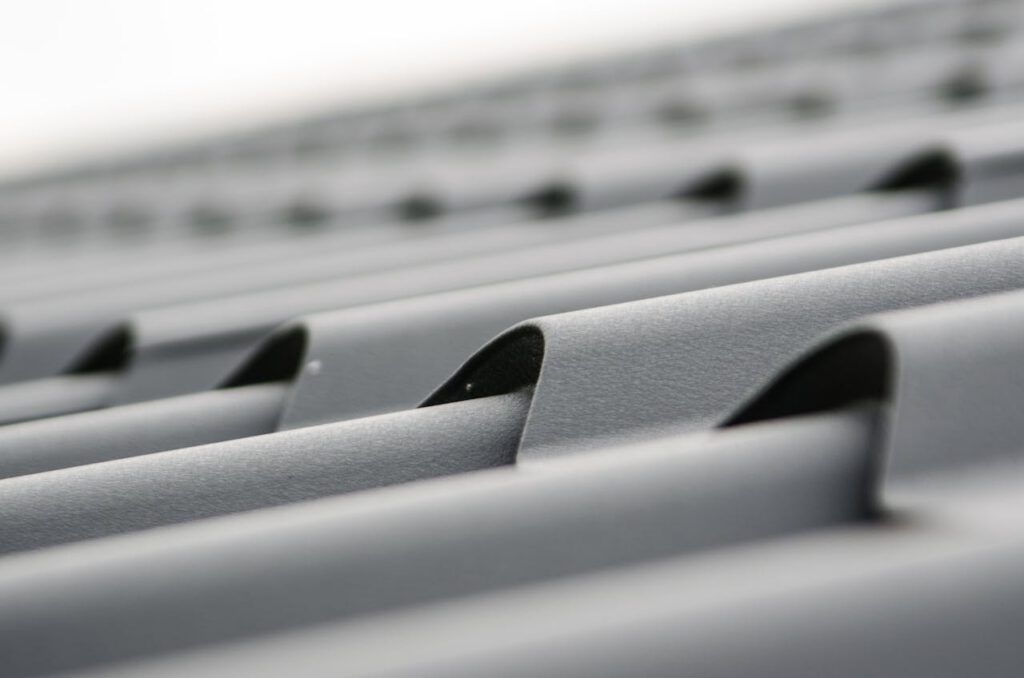
Metal tile panels come in interlocking sections that mimic the look of traditional clay or concrete tile. Each panel connects to the one beside it. This design helps the roof shed water and resist wind uplift. The panels are typically made from steel or aluminum and coated with a protective finish that resists UV and corrosion.
Fastening, Overlaps, and Starter Strips
Installation begins at the eave with a starter strip. This strip gives the first row of tiles a solid edge to lock into. Each row overlaps the row below it by a set amount, usually specified by the manufacturer. Fasteners go through designated points on each panel. Using the wrong fastener or wrong spacing can void the product warranty and create weak spots in a storm.
Understanding metal roof flashing types is also part of the process. Flashing goes around chimneys, vents, skylights, and any wall intersection. It directs water away from these vulnerable areas. In Tampa, improper flashing is one of the most common causes of roof leaks after a storm. Every penetration needs to be sealed and flashed before the job is done.
If you want to see what a finished metal tile roof looks like, the completed project photos on the Suncoast Roofing Solutions website give you a clear idea of the quality and detail involved.
Final Steps and Inspection
After all panels are installed and flashing is secured, the roof needs a full inspection. In Tampa, this includes a county or city inspection to confirm the work meets Florida Building Code. The code sets specific requirements for wind resistance, especially in hurricane zones. Metal tile roofs installed to these standards can handle winds of 130 mph or more.
Ridge Caps, Venting, and Cleanup
Ridge caps seal the peak of the roof and complete the finished look. Proper attic ventilation also needs to be checked at this stage. Poor venting traps heat and moisture, which shortens the life of any roof system. A full review of attic insulation and ventilation ensures your new metal tile roof performs as designed.
Once the inspection passes, the crew clears debris and does a final walkthrough with the homeowner. Suncoast Roofing Solutions backs its installations with a 5-year workmanship warranty, giving you added peace of mind after the job is complete. You can also review what metal slate roofing installations typically involve to understand how the scope of a project comes together.
For homeowners weighing their options, comparing metal roof tiles vs traditional roofing can help you decide which material fits your home and budget best.
Frequently Asked Questions
Do I need a permit to install metal tile roofing in Tampa?
Yes. Tampa and most surrounding areas require a permit for roof replacements. Your contractor pulls the permit and arranges the inspection. Working without a permit can create problems when you sell your home or file an insurance claim.
How long does a metal tile roof installation take?
Most residential installations take two to five days, depending on roof size and complexity. Larger homes or roofs with many hips, valleys, and penetrations take longer. Weather can also delay the schedule, especially during Tampa’s rainy season.
Can metal tile roofing be installed over my existing roof?
In some cases, yes, but most experienced contractors recommend a full tear-off first. Installing over an existing layer hides damage and adds weight. Florida Building Code limits how many roofing layers are allowed, so a tear-off is often required anyway.
Is metal tile roofing a good choice for Tampa’s hurricane season?
Yes. Metal tile panels that meet Florida Building Code are tested for high wind uplift. They perform well in hurricane conditions when installed correctly. Proper flashing and fastening are what make the difference between a roof that holds and one that fails.
How do I maintain a metal tile roof after installation?
Metal tile roofing is low maintenance compared to other materials. You should clear debris from valleys and gutters after storms. Inspect flashing around penetrations every year or two. Catching small issues early prevents them from becoming expensive repairs.
Talk to a Tampa Roofing Expert Before You Start
Installing metal tile roofing is not a weekend project. It requires the right materials, proper permits, and experience with Florida’s building requirements. A mistake during installation can cost far more to fix than it would have cost to hire a qualified contractor from the start.
Suncoast Roofing Solutions has been serving Tampa homeowners since 2009. The team handles everything from deck inspection to final inspection sign-off, including projects in Cheval, Lutz, and the surrounding area. If you are ready to get a professional evaluation or a quote for your home, visit Suncoast Roofing Solutions to schedule your consultation today.