
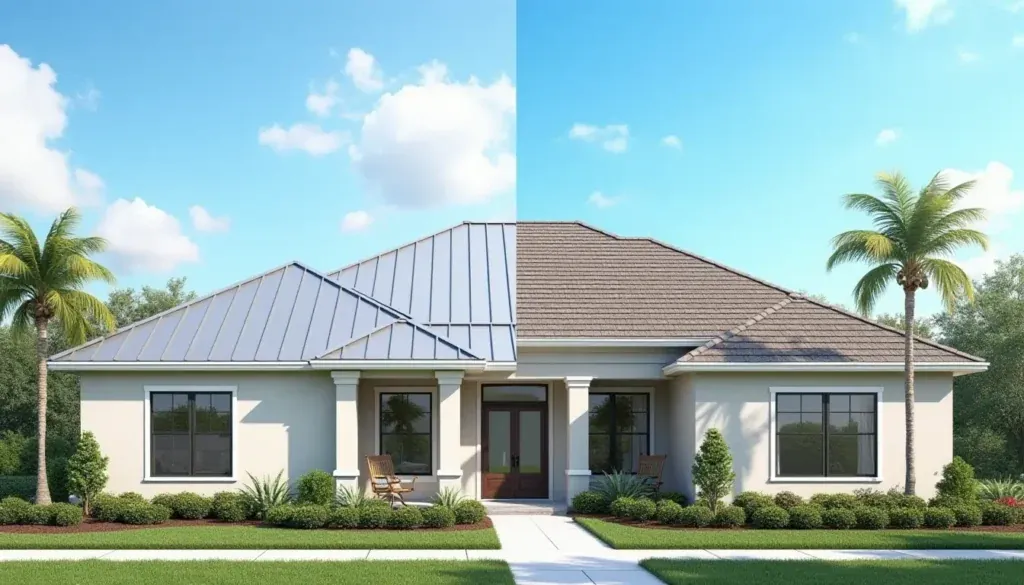
Choosing the right roofing material is one of the most critical decisions for Florida homeowners, whether you’re in Cheval, FL or anywhere else in the Tampa Bay area. With the state’s hot sun, heavy rains, and hurricane threats, your roof needs to be durable, weather-resistant, and cost-effective over the long term. Many homeowners are now comparing metal roof tiles with traditional roofing options like asphalt shingles or clay tiles.
In this guide, we’ll break down the differences, pros and cons, and what might work best for your Florida home.
What Are Metal Roof Tiles?
Metal roof tiles are roofing panels or shingles made from materials like steel, aluminum, or copper, shaped to mimic traditional roofing styles such as clay tiles, slate, or wood shakes.
They combine the aesthetic appeal of classic roofing materials with the durability and lightweight properties of metal. For Florida homeowners, they offer a unique blend of style and performance, especially in extreme weather conditions.
Advantages of Metal Roof Tiles in Florida
Florida’s climate is tough on roofs, but metal roof tiles provide several benefits:
- Durability: They can last 40–70 years, far exceeding asphalt shingles.
- Hurricane Resistance: Many are rated to withstand high wind speeds common in tropical storms.
- Heat Reflection: Metal reflects sunlight, helping reduce cooling costs.
- Low Maintenance: Resistant to rot, insect damage, and mold growth.
Considering the superior durability, hurricane resistance, and energy efficiency of metal roof tiles, it’s easy to see why metal roofing in Tampa is so popular among homeowners.
Drawbacks of Metal Roof Tiles
While they offer many benefits, metal roof tiles also have potential downsides:
- Higher Upfront Cost: They cost more to install compared to asphalt shingles.
- Noise During Rain: Without proper insulation, rain can sound louder on a metal roof.
- Potential for Denting: Hail or falling branches can cause minor surface damage.
However, many Florida homeowners find that the longevity and energy savings offset the initial expense.
How Traditional Roofing Compares?
Traditional roofing in Florida typically includes asphalt shingles, clay tiles, and concrete tiles.
- Asphalt Shingles: Affordable and easy to install, but may only last 15–20 years in Florida’s climate.
- Clay Tiles: Beautiful and long-lasting, but heavier, requiring reinforced roof structures.
- Concrete Tiles: Durable but prone to cracking under impact.
Each has its pros and cons, but they may not offer the same combination of longevity, storm resistance, and energy efficiency as metal roof tiles.
Cost Comparison: Metal Roof Tiles vs Traditional Roofing
While the upfront cost of metal roof tiles is generally higher, the long-term cost can be lower due to fewer repairs and replacements.
- Metal Roof Tiles: $8 to $15 per square foot installed.
- Asphalt Shingles: $3 to $6 per square foot installed.
- Clay or Concrete Tiles: $10 to $20 per square foot installed.
When you factor in the 40–70 year lifespan of metal roofing versus 15–30 years for most traditional options, the investment often pays off.
By comparing costs over the long term and acknowledging the extended lifespan of metal roof tiles, especially when contrasted with other materials, you can better understand the lifespans of tile, shingle, and metal roofs and decide what truly works best for Florida homes.
Energy Efficiency in Florida Homes
One of the biggest advantages of metal roof tiles is their reflective surface. By reflecting solar heat instead of absorbing it, they help keep your home cooler in Florida’s intense summer heat. This can lower your air conditioning costs and improve indoor comfort.
Some metal tiles even have special coatings for enhanced thermal performance.
Maintenance and Longevity
Metal roof tiles require minimal upkeep compared to traditional roofing materials.
- Metal: Occasional inspections and cleaning are usually enough.
- Asphalt: May require more frequent repairs due to curling or missing shingles.
- Clay or Concrete: Can break or crack over time, especially during storms.
A low-maintenance roofing system is a big plus for busy homeowners.
Curb Appeal and Style
Many people assume metal roofing looks industrial, but metal roof tiles come in a variety of designs and colors that mimic traditional tile or slate. This means you can maintain your home’s architectural style while enjoying the benefits of metal.
Which Is Better for Florida Homes?
For Florida’s challenging climate, metal roof tiles often outperform traditional roofing in durability, weather resistance, and energy savings. While the upfront cost is higher, the long lifespan and low maintenance requirements make them a smart investment for many homeowners.
Upgrade Your Roof with Suncoast Roofing Solutions
When weighing metal roof tiles against traditional roofing, the decision often comes down to your priorities: short-term budget versus long-term performance. For many Florida homeowners, the combination of durability, hurricane resistance, and energy efficiency makes metal roof tiles a winning choice.
Ready to invest in a roof that can handle Florida’s weather while enhancing your home’s curb appeal? Contact Suncoast Roofing Solutions today to learn more about metal roof tile options and expert installation services. Our team can help you choose the right style, material, and warranty to protect your home for decades.
FAQs About Metal Roof Tiles
Are Metal Roof Tiles Noisy During Rain?
Metal roof tiles can be noisier than asphalt shingles, but proper insulation and underlayment significantly reduce sound. Many homeowners report little difference in noise levels. A quality installation is key to managing sound.
Do Metal Roof Tiles Rust in Florida’s Humid Climate?
Most modern metal roof tiles are coated with corrosion-resistant finishes, making them ideal for humid and coastal environments. Aluminum and galvanized steel options are especially resistant to rust. Choosing the right material ensures longevity in Florida weather.
Can Metal Roof Tiles Withstand Hurricanes?
Yes, many metal roof tiles are rated to handle high wind speeds common in hurricanes. Some can withstand winds over 140 mph. It’s important to confirm wind ratings when selecting your roofing material.
How Long Do Metal Roof Tiles Last Compared to Asphalt Shingles?
Metal roof tiles can last 40–70 years, while asphalt shingles typically last 15–20 years in Florida. This makes metal a longer-term investment. With proper maintenance, they can outlast most traditional options by decades.
Are Metal Roof Tiles Energy Efficient?
Yes, metal roof tiles reflect heat, helping to keep your home cooler in summer. Some also have energy-efficient coatings to reduce cooling costs further. This makes them a great choice for Florida’s hot climate.